
How Should You Prepare for Your Eye Doctor Appointment?
Scheduling an eye doctor appointment represents an important step toward protecting your vision and overall health, but many patients arrive unprepared and miss opportunities to address concerns or maximize the value of their exam. At The Plano Eye Care Center, our dedicated team understand that informed, prepared patients get the most from their eye care experience. With our state-of-the-art technology and patient-centered approach, we’ve earned an A+ rating from the Better Business Bureau by delivering superior optometric services to families throughout Plano, Frisco, Allen, and surrounding North Texas communities.
Whether you’re visiting us for your first comprehensive eye exam, addressing vision changes, or managing ongoing eye conditions like glaucoma or dry eye, proper preparation ensures your appointment runs smoothly and addresses all your vision concerns. Many patients don’t realize that certain medications affect eye health, that family history plays a crucial role in assessing disease risk, or that post-exam dilation requires planning for light sensitivity. The difference between a routine visit and a truly valuable eye care experience often comes down to preparation. By bringing the right information, asking the right questions, and understanding what to expect, you empower our team to provide personalized care tailored to your unique needs. This comprehensive guide walks you through everything you need to prepare for your appointment at our Plano location, from essential items to bring to important questions you should ask.
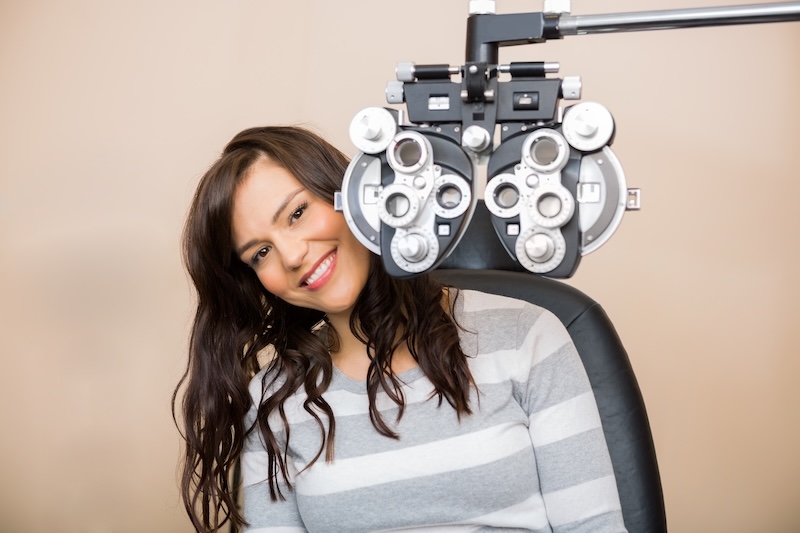
Essential Items to Bring to Your Eye Appointment
Walking into your eye exam with the right documentation and information streamlines your visit and helps our team provide more accurate, personalized care. Start with your insurance cards, including both your vision insurance and regular medical insurance. Many patients don’t realize that eye exams can be billed under either type of coverage depending on the reason for the visit. Routine vision exams typically fall under vision plans, while appointments addressing medical eye conditions like cataracts, glaucoma, or eye infections may be covered by health insurance. Bringing both cards ensures we can maximize your benefits.
Your current eyeglasses or contact lenses should come with you, even if you only wear them part-time or for specific activities. This allows Dr. Khoja to evaluate whether your prescription still provides optimal vision or needs adjustment. If you have an old prescription or know your prescription numbers, bringing that information helps us track changes in your vision over time. A complete list of all medications you take, including over-the-counter supplements, proves more important than many patients realize. Certain medications including antihistamines, blood pressure medications, and antidepressants can cause dry eyes, blurred vision, or other side effects affecting your eye health. Knowing what medications you take helps us identify potential connections between your symptoms and prescriptions.
Family medical history represents another crucial piece of information to gather before your appointment. Eye conditions including glaucoma, macular degeneration, and cataracts often run in families. Knowing whether your parents, grandparents, or siblings have experienced these conditions helps us assess your risk and monitor for early warning signs. Finally, bring a detailed list of any vision symptoms or concerns you’ve noticed. Have you experienced blurred vision, eye strain, headaches, difficulty with night driving, or light sensitivity? Write down when these symptoms occur, how frequently they happen, and whether anything makes them better or worse. This information guides our examination and helps ensure we address all your concerns.
Important Questions to Ask Your Eye Doctor
Your eye exam provides an opportunity to become an active participant in your eye health rather than a passive recipient of services. Don’t hesitate to ask Dr. Khoja questions about tests, findings, or recommendations. Start by asking what tests will be performed during your exam and why each test is necessary. Understanding that visual acuity tests measure how clearly you see, that tonometry checks eye pressure for glaucoma screening, and that dilated exams allow examination of your retina and optic nerve helps reduce anxiety and puts the experience in context.
If any test results show abnormalities, ask what those findings mean for your vision and eye health. What do slightly elevated eye pressures indicate? Are early cataracts something to monitor or treat immediately? Understanding your results empowers you to make informed decisions about your care. Inquire about lifestyle modifications that could improve your eye health. Should you reduce screen time, increase certain nutrients in your diet, or protect your eyes better from UV exposure during Plano’s sunny days? Our team can provide specific recommendations based on your results and lifestyle.
For those interested in vision correction options, ask whether you’re a candidate for contact lenses, specialty contact lenses for conditions like astigmatism or presbyopia, or procedures like LASIK. We can discuss the advantages and disadvantages of different correction methods based on your individual circumstances. Finally, ask how frequently you should schedule eye exams. While annual exams work well for most healthy adults, certain conditions or risk factors may warrant more frequent monitoring.
Preparing Your Eyes and Arranging Post-Appointment Needs
Physical preparation for your eye exam may seem minor but can significantly impact your results and comfort. Prioritize getting adequate sleep the night before your appointment. Tired, strained eyes perform poorly on visual acuity tests, potentially leading to inaccurate prescription measurements. Avoid excessive screen time and strenuous activity immediately before your exam, as these activities can fatigue your eyes.
If you wear contact lenses, ask whether you should wear them to the appointment or bring your glasses instead. For contact lens fittings or evaluations, we may need you to remove lenses beforehand. Limit alcohol and caffeine consumption before your visit, as both substances raise blood pressure and can affect test results, particularly eye pressure measurements. Alcohol also dries out your eyes, increasing light sensitivity.
Plan ahead for the possibility of pupil dilation. While our advanced diagnostic technology often eliminates the need for dilation in routine exams, some appointments require dilated examinations for comprehensive retina and optic nerve evaluation. Dilation causes temporary light sensitivity and blurred near vision that can last several hours. Bring sunglasses to protect your eyes from bright Plano sunshine after your appointment. Consider arranging a ride if you’re uncomfortable driving with dilated pupils, though most patients manage fine with sunglasses and extra caution.
Ready to experience superior eye care in Plano? Contact The Plano Eye Care Center today to schedule your comprehensive eye exam with Dr. Khoja and our expert team. With state-of-the-art technology, personalized attention, and a patient-centered approach, we’re committed to enhancing your visual health and overall well-being. Call us or visit our convenient location to take the first step toward optimal eye health!