
How Can Vision Care Help Seniors Maintain Independence and Stay Safe? Essential Eye Health Strategies for Older Adults
Maintaining your independence as you age depends on many factors, but few impact your daily life as profoundly as your vision. At The Plano Eye Care Center, we understand that clear, healthy vision represents far more than simply seeing clearly. It means continuing to drive yourself for dinner with friends, safely navigating the stairs in your home, managing your medications independently, and maintaining the active lifestyle you’ve worked your entire life to enjoy. With our state-of-the-art technology and patient-centered approach, we’ve earned an A+ rating from the Better Business Bureau by delivering superior optometric services that help seniors throughout Plano, Frisco, Allen, and surrounding North Texas communities preserve their independence and quality of life.
The connection between vision health and independent living grows increasingly critical with each passing year. Research shows that one in four Americans over 65 experiences a fall each year, making falls the leading cause of injury among older adults. Even more concerning, having impaired vision more than doubles this fall risk, with decreased visual acuity independently predicting about 20% increased risk of both all falls and injurious falls. Beyond physical safety, vision impairment affects 25% of adults over 80, contributing to social isolation, depression, difficulty driving, and challenges with everyday activities from cooking to managing finances. The encouraging news? Many age-related vision problems can be prevented, treated, or managed with proper care, allowing you to maintain your independence and continue living life on your terms.
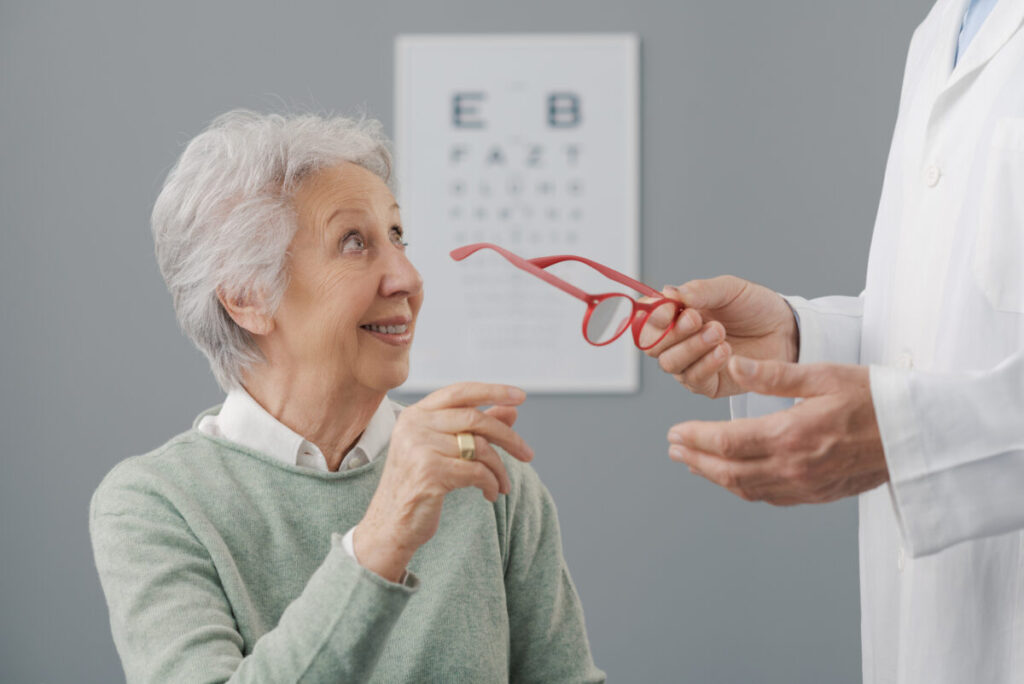
Why Regular Eye Exams Matter More Than Ever After 60
Many seniors mistakenly view vision loss as a natural, inevitable part of aging that requires no intervention. This dangerous misconception prevents countless older adults from seeking care that could preserve their sight and independence. By age 80, over half of Americans develop cataracts or undergo cataract surgery, while glaucoma, often called the “silent thief of sight,” affects many without any noticeable symptoms. Up to 50% of those with glaucoma remain unaware they have the condition until substantial vision loss has occurred.
Annual comprehensive eye exams become essential after 60 because they detect these conditions before they impair your ability to live independently. During your exam at The Plano Eye Care Center, Dr. Khoja uses advanced diagnostic technology to evaluate not just your visual acuity but also your eye pressure for glaucoma screening, your retina for signs of macular degeneration or diabetic retinopathy, and your overall eye health. These exams catch problems early when treatment proves most effective. For instance, timely cataract surgery can restore vision that allows you to continue driving and living in your own home for years longer. Proper glaucoma management prevents irreversible vision loss. Early detection of age-related macular degeneration enables treatments that can preserve your central vision for reading, recognizing faces, and maintaining your independence.
Regular exams also ensure your eyeglass or contact lens prescription stays current. Even minor changes in your prescription can affect your depth perception and contrast sensitivity, both crucial for safely navigating your environment and preventing falls. Particularly for active seniors in Plano who enjoy walking the trails at Oak Point Park Nature Preserve or shopping at The Shops at Legacy, maintaining optimal vision correction makes every activity safer and more enjoyable.
The Critical Connection Between Vision and Fall Prevention
The statistics on vision impairment and falls reveal an urgent need for proactive eye care among seniors. More than one in four older adults with vision problems experience recurrent falls, and about 50% of people with vision trouble fear falling so much that they limit their activities, creating a cycle of decreased mobility, social isolation, and declining quality of life. Falls represent the second leading cause of accidental deaths worldwide, with the majority occurring in older adults.
Vision contributes to fall prevention in ways many people don’t realize. Your eyes provide essential input for postural stability, helping you judge distances, identify obstacles, detect changes in surface heights like curbs or steps, and maintain your balance. Impaired visual acuity, reduced contrast sensitivity, and decreased depth perception all increase fall risk, even in generally healthy and active older adults. The bright Texas sun that makes Plano beautiful can also create glare challenges that temporarily blind you when moving from bright outdoor spaces into dimmer indoor environments.
Protecting your vision protects your physical safety. Simple interventions make significant differences. Ensuring your eyeglass prescription stays current helps you see obstacles clearly. If you wear bifocals or progressive lenses, talk to Dr. Khoja about whether separate glasses for different activities might reduce fall risk. Some seniors find that wearing single-vision distance glasses when walking outdoors or navigating stairs provides better depth perception than looking through the bottom portion of bifocals. Treating cataracts that cause glare sensitivity and reduced contrast sensitivity can dramatically improve your ability to see steps, curbs, and obstacles. Managing conditions like glaucoma and macular degeneration preserves the peripheral and central vision you need to navigate safely through your home and community.
Maintaining Driving Independence Through Proactive Eye Care
For many seniors, the ability to drive represents freedom, independence, and dignity. Losing your license often means losing access to medical appointments, grocery shopping, social activities, and the spontaneous trips that make life enjoyable. In North Texas, where public transportation options remain limited and distances between destinations can be significant, maintaining driving ability proves especially important for quality of life.
Vision plays a fundamental role in safe driving, with age-related vision changes affecting driving performance in measurable ways. By age 80, one in three people have vision below the legally required driving standard. Research shows that older drivers with impaired vision adapt by limiting their driving in demanding conditions, avoiding night driving, reducing speed, and staying off highways, but these adaptations don’t fully compensate for vision deficits. Glare from oncoming headlights, difficulty judging distances, reduced peripheral vision, and problems seeing in low light all compromise driving safety.
Proactive vision care helps you maintain safe driving longer. Annual eye exams ensure your prescription stays current, maximizing your visual acuity for reading road signs, seeing traffic signals, and identifying hazards. Treating cataracts eliminates the glare sensitivity that makes night driving particularly challenging. If you wear glasses, consider anti-reflective coating that reduces glare from headlights and street lights during evening driving around Plano’s busy intersections at Preston Road and Legacy Drive. Managing conditions like macular degeneration and glaucoma preserves the central and peripheral vision you need to monitor traffic, check blind spots, and react to unexpected situations. Dr. Khoja can also discuss whether your current eyewear meets your driving needs or whether separate driving glasses might improve your performance and confidence behind the wheel.
Ready to protect your independence and quality of life through comprehensive senior vision care? Contact The Plano Eye Care Center today to schedule your eye exam with Dr. Khoja and our expert team. With state-of-the-art diagnostic technology and personalized attention, we’re committed to helping you maintain your vision, safety, and independence for years to come. Don’t let preventable vision problems limit your lifestyle.