
What Your Eye Exam Can Reveal About Your Overall Health: Systemic Health Connections
Your Eyes as a Window to Systemic Health: Detecting Hidden Conditions Through Comprehensive Eye Exams
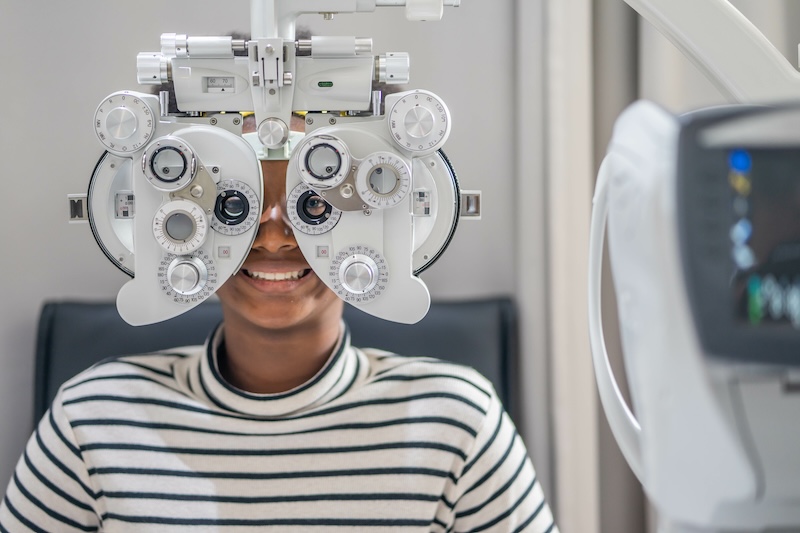
Most people think an eye exam is just a vision check or prescription update. But at The Plano Eye Care Center, we know your eyes reveal far more about your overall health. A comprehensive eye exam is a window into your entire body, capable of detecting serious systemic conditions like diabetes, hypertension, high cholesterol, autoimmune diseases, and certain cancers. Your eyes connect directly to your cardiovascular and nervous systems, making them ideal for spotting early warning signs. For Plano families, where diabetes and hypertension are prevalent, regular exams become critical. They can catch dangerous conditions at their earliest, most treatable stages.
How Diabetes Shows Up in Your Eyes
Diabetes is one of the most common systemic conditions detected during eye exams. High blood sugar damages blood vessels in your retina, causing diabetic retinopathy. Early signs include microaneurysms, hemorrhages, or fluid leakage—often with no symptoms. Early detection allows intervention before significant vision damage occurs. By spotting diabetic retinopathy during routine exams, we alert your primary care physician to manage your diabetes more effectively, potentially preventing vision loss, kidney disease, and heart attack.
Hypertension: The Silent Killer Revealed
High blood pressure causes no noticeable symptoms while damaging your body. Your eyes tell the story. We examine retinal blood vessels, which resemble those in your brain, heart, and kidneys. Hypertensive retinopathy shows as narrowed arteries, cotton wool spots, retinal hemorrhages, or optic nerve swelling. For many Plano residents, an eye exam first detected hypertension, leading to treatment that prevented strokes and heart attacks. Early detection prompts interventions like medication or lifestyle changes that protect your long-term health.
Beyond Diabetes and Hypertension: Other Health Conditions
Your comprehensive eye exam can reveal much more than diabetes and hypertension. We also detect signs of high cholesterol through yellowish deposits around the eyelids and in the blood vessels. Autoimmune conditions like lupus and rheumatoid arthritis often cause eye inflammation that may be visible during examination. Certain cancers, including ocular melanoma and lymphoma, can present subtle changes in eye tissue. Thyroid disease, particularly Graves’ disease, causes noticeable changes like eye bulging or swelling. Even kidney disease, stroke risk, and heart disease can show early warning signs during a comprehensive eye exam.
The Importance of Regular Eye Exams
Whether you have diabetes, hypertension, or no known health conditions, regular comprehensive eye exams are essential preventive care. Many systemic diseases show no obvious symptoms in their early stages, but your eyes often display changes that warrant investigation. For patients with chronic conditions, yearly exams allow us to monitor eye health closely and catch complications before they cause permanent damage. For others, exams every one to two years can detect emerging health issues early. We recommend dilated eye exams, where your pupils are enlarged to allow detailed examination of the retina and optic nerve, revealing even the smallest changes that might indicate underlying health problems.
Your eyes truly are windows to your health. At The Plano Eye Care Center, we’re committed to protecting not just your vision, but your overall well-being. If it’s been more than a year since your last comprehensive eye exam, don’t wait any longer. Schedule your appointment with us today and discover what your eyes can reveal about your health. Call The Plano Eye Care Center now or visit our website to book your comprehensive eye exam.